Harnessing AI in Real-Time Marketing for Faster Reactions
applied | 17 July 2026
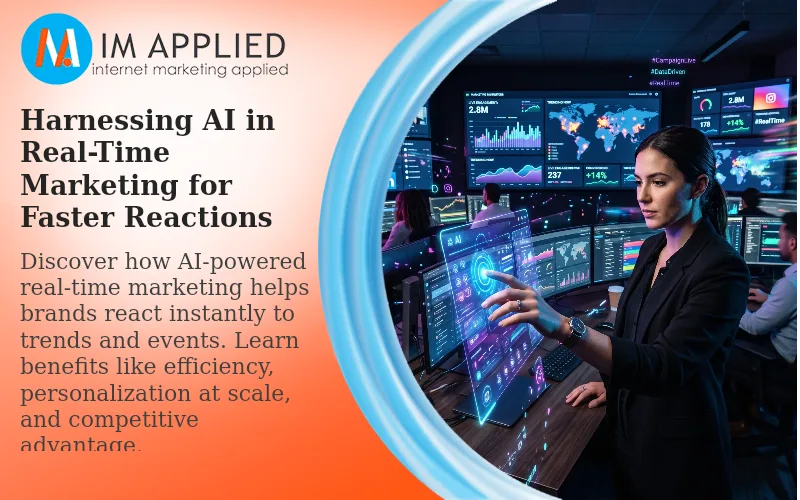
All too often, brands scramble to catch up with moments that passed them by in seconds. A trend spikes, a live event sparks a conversation, and the brands that respond within minutes earn the attention while everyone else is still drafting an email chain for approval.
That’s exactly why AI-powered real-time marketing has become such a focus for growth-minded teams.
When the window to connect with your audience is measured in moments rather than days, having systems that read consumer behavior and act on it instantly isn’t a luxury. It’s the difference between being part of the conversation and watching it happen without you.
Understanding AI in Real-Time Marketing
When a social media trend emerges or a live event unfolds, the ability to adapt marketing messages quickly keeps brands relevant. Speed is the deciding factor.
Brands that cannot react fast enough risk losing the attention of audiences whose interest peaks and fades in real time.
Real-time marketing capitalizes on the fleeting nature of customer attention. Using AI, businesses can sift through vast amounts of data to make split-second decisions that drive meaningful interactions.
Without the ability to react swiftly, brands risk being overshadowed by competitors who’ve mastered the art of timing.
The Need for Speed: Real-Time Marketing Explained
A new product launch can generate peak buzz within minutes of an influential endorsement. Without real-time marketing, that momentum disappears before a team can act. AI tools can analyze data in milliseconds and trigger automated actions while the opportunity still exists.
Benefits of AI Real-Time Marketing
AI is changing how marketers deliver real-time campaigns, particularly for brands aiming to deliver immediate responses tailored to their audience’s current needs and contexts.
Increased Efficiency and Productivity
Incorporating AI into marketing operations frees teams from data crunching, allowing them to focus on creative strategy.
AI-driven platforms handle repetitive processes like sorting customer interactions or monitoring social channels for brand mentions. Removing that manual workload saves measurable time and cuts operational costs.
Personalization at Scale
AI makes it possible for marketers to personalize interactions on a grand scale. These technologies use data to understand individual preferences and behaviors, crafting targeted messages that resonate personally with each customer.
An AI system might suggest products based on a user’s previous purchases or browsing history. Personalized marketing is now expected by consumers, and AI is what makes delivery at scale feasible.
How AI Enhances Reaction Time

Machine Learning Algorithms
Machine learning allows systems to learn from data and improve over time. In marketing, these algorithms predict trends and customer actions.
They might recognize shifts in purchasing patterns during a seasonal event, prompting marketers to adjust ad content for maximum impact. Quick adjustments keep brands relevant amid changing consumer interests.
Data Analysis and Decision Making
AI processes vast amounts of information at speeds no human team can match. Real-time data analysis identifies opportunities and threats as they arise.
When sudden buzz about a particular product erupts on social media, AI can shape a timely marketing response within moments. Rapid analysis keeps brands aligned with consumer discourse before competitors can react.
Real-Time AI Marketing in Action
Different industries are already putting real-time AI marketing to work, and the two examples below show what it actually looks like when the timing is right.
Real-Time Customer Engagement
A leading retail company might use AI to monitor social media mentions and customer interactions. When a customer posts about needing a particular item, the AI alerts customer service to engage immediately, offering solutions or promotions that meet the consumer’s needs on the spot.
Brands that respond at this speed report higher satisfaction scores and stronger repeat purchase rates.
Dynamic Ad Adjustments
A digital advertising company can use AI to alter ads based on live interactions. When a sports event shifts consumer sentiment, their AI updates ad content in real time to reflect that mood. These dynamic adjustments capture current attitudes and push click-through rates and marketing ROI measurably higher.
Challenges and Considerations
AI offers clear advantages, but businesses must navigate real obstacles when integrating these technologies into real-time marketing.
Data Privacy Concerns
AI relies heavily on data, raising privacy concerns among consumers. Companies must prioritize transparent data practices and comply with regulations to protect user information. Trust, once lost through a privacy misstep, is difficult to rebuild.
Integration with Existing Systems
Integrating AI with legacy systems is rarely straightforward. Compatibility problems between new AI tools and existing infrastructure disrupt workflows and slow adoption. Starting with pilot projects lets teams surface integration problems at manageable scale before committing full resources.
Future Trends in AI Real-Time Marketing
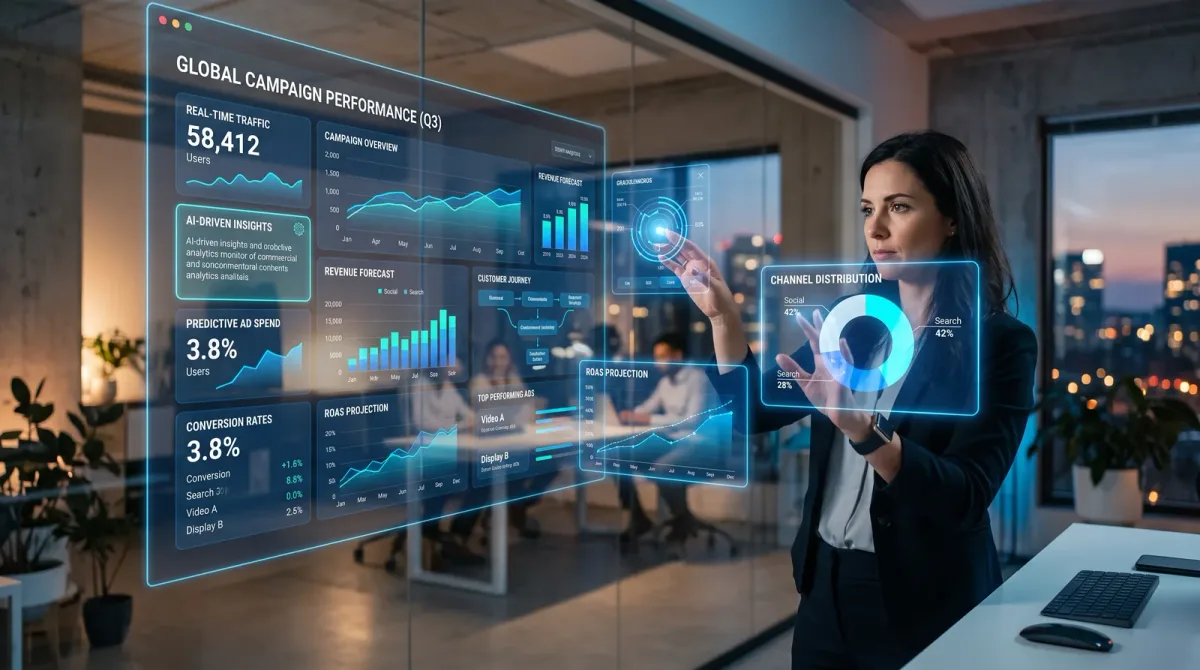
Two shifts are already reshaping the direction of real-time AI marketing.
AI and Voice Recognition
Voice-activated technology is expanding the channels through which consumers interact with brands. Marketers will use AI to interpret voice data, customizing communications and offers around what consumers verbally express.
That opens direct access to purchase intent expressed in the most natural form of human communication.
Predictive Analytics in Marketing
Predictive AI will move brands from reacting to trends to anticipating them. Promotions and content will increasingly reach consumers as interest begins to build, allowing brands to engage earlier in the decision-making process.
Brands that act on early signals rather than confirmed trends will hold a durable timing advantage over those still waiting for the data to become obvious.
Conclusion
AI has fundamentally changed the speed at which brands can act on consumer signals. Faster response times, personalized messaging at scale, and predictive trend detection are no longer aspirational features reserved for large enterprises.
Privacy compliance and legacy system integration remain two of the most common barriers to adoption, and both reward early planning over last-minute fixes. Brands that build AI into their real-time marketing infrastructure now will be better positioned as consumer expectations for immediacy continue to rise.