
Local Service Schema: The Essential Code for AI-Driven Local Searches
applied | 19 November 2026

In online search, Local Service Schema has become an essential tool for connecting small businesses to AI-driven search results. Artificial intelligence has changed how users find information.
By incorporating this schema, businesses can improve visibility and relevance. Local Service Schema stands out by providing structured data that makes it easier for search engines to understand offerings and present them accurately to potential customers.
Understanding Local Service Schema
Local Service Schema provides detailed information about a local business and its services through structured data markup. This markup helps search engines deliver more precise and contextually accurate results.
Unlike regular schema markup that offers generic data, Local Service Schema targets specific local business attributes. By providing nuanced details about services, service areas, opening hours, and accepted payment methods, it enriches the data that search engines index.
A business’s online presence depends on how clearly it communicates its offerings to search engines. Well-structured, search-engine-friendly data helps businesses appear more prominently in local searches.
Using this specific schema gives search engines a clearer picture of what a business offers, who they are, and where they operate. For small businesses, this targeted approach means better visibility and potentially more walk-in or online customers.
The Connection Between Local Service Schema and AI Search
AI search mechanisms operate by interpreting vast amounts of data to deliver highly relevant results. Structured data plays a pivotal role here.
When search engines crawl a website, structured data like Local Service Schema helps them understand the content efficiently. Users then receive more precise AI-driven search outcomes.
Structured data bridges text and understanding, giving AI a map to navigate complex data. Local Service Schema adds clarity to what services a business offers in a specific area, making it a go-to resource for AI when determining relevance in local search queries.
That direct information helps AI display rich snippets or cards that influence click-through rates, connecting how a business presents its data to how AI interprets it.
Implementing Local Service Schema
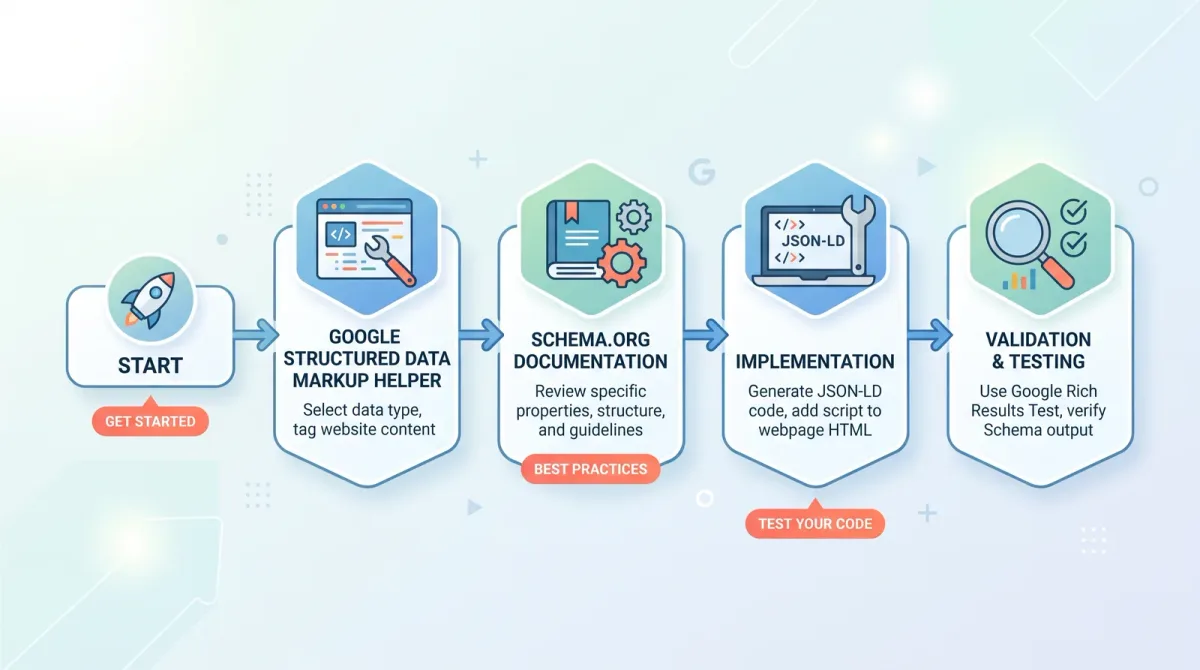
Effective implementation begins with the right tools. Google’s Structured Data Markup Helper is a practical starting point, guiding users through applying schema markup to their web pages without requiring extensive coding knowledge.
Schema.org offers comprehensive documentation on different schema types, including Local Service Schema. Familiarizing yourself with these resources is critical to effective implementation.
For those new to schema, deciding which data points to include or troubleshooting issues such as search engines not recognizing your markup can be challenging. Patience and thorough testing are key to overcoming these hurdles.
Common challenges include incorrect data formatting and updates not immediately reflecting in search results.
Validating your markup using tools like Google’s Rich Results Test catches these problems early. That step keeps your schema correctly interpreted by search engines, maintaining its efficiency in boosting local searches.
Benefits for Small Businesses
Small businesses stand to gain significantly from integrating Local Service Schema. Improved local SEO helps them rank higher in search results when potential customers search for local services, and that increased visibility drives traffic and potential sales growth.
Reaching more customers is only part of the advantage. Greater search presence also builds credibility in the local market.
Standing out in online searches among larger competitors is a genuine challenge for small businesses, and Local Service Schema acts as an equalizer by highlighting specific offerings with precision.
A clearer online presence can lead to more foot traffic in physical locations or increased engagement with online queries. For small businesses, consistent visibility in search results strengthens brand recognition over time.
How to Stay Updated on Schema Changes
Schema practices change regularly. Businesses should visit Schema.org often, since updates and modifications to schema types appear there first.
Online communities and forums, including those on Reddit and various SEO-focused groups, provide real-time insights from industry professionals, and following those discussions helps businesses adapt quickly to shifts in schema applications.
Subscribing to newsletters from SEO publications delivers detailed analyses and advice on changes that could affect how Local Service Schema should be implemented. Staying informed is crucial for consistently capitalizing on AI search mechanisms.
Conclusion
Local Service Schema connects small businesses to larger opportunities online. As AI-driven searches become more common, structured data is becoming a deciding factor in whether businesses stay visible and competitive.
Investing effort into implementing and updating schema improves current visibility and positions businesses for the AI-enhanced future of search.