The 2026 Funnel Guide: Building Funnels That Convert
Karl Marais | 12 June 2026
The Modern Sales Funnel: A Foundation for Conversion
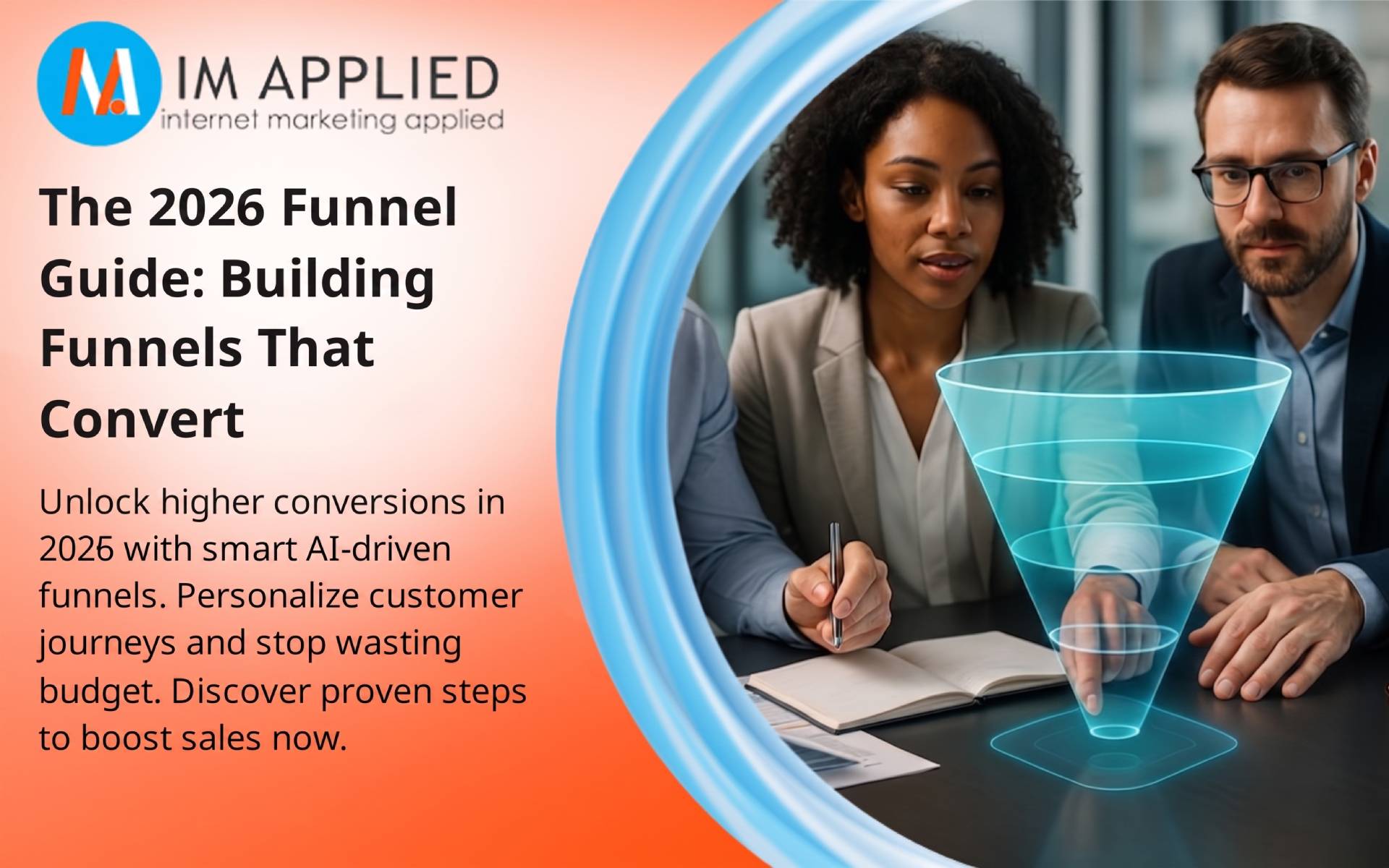
A strong digital sales funnel doesn’t force every prospect through the same journey. Modern funnels are built around the buyer’s journey, using psychology and strategic touchpoints to drive conversions. Customers expect intuitive, seamless experiences, almost as if your brand knows them personally.
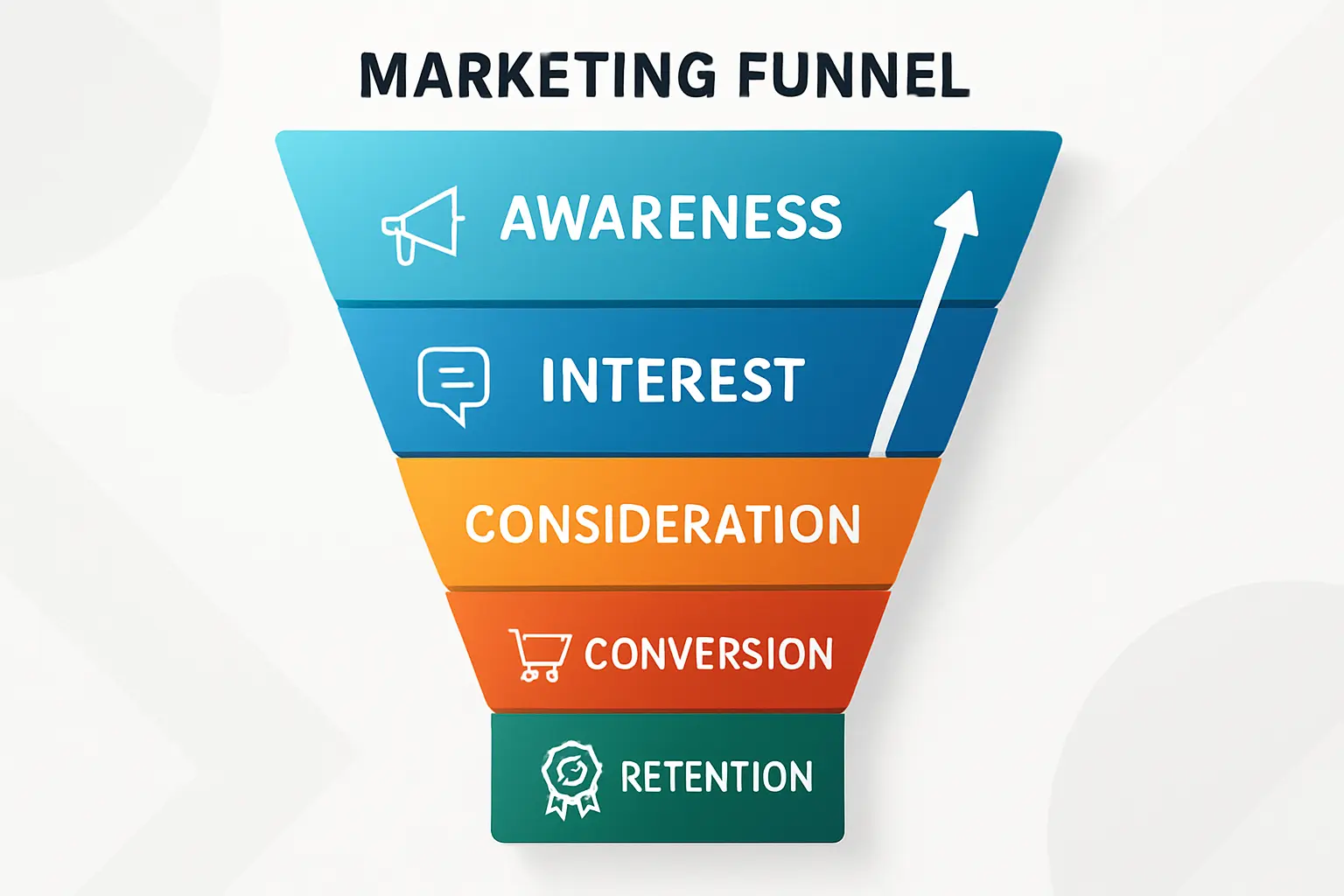
Following the classic AIDA model (Awareness, Interest, Desire, Action), each stage should logically pull prospects forward.
This requires mapping out exactly how people interact with your brand and refining those pathways at each step. Tailoring every stage to your audience segments turns casual interactions into conversion milestones.
AI automation predicts needs, personalizes messaging, and ensures no opportunity slips by. This results in increased sales, improved engagement, and lasting loyalty.
Learn more about creating a personalized customer journey here.
Core Funnel Stages: TOFU, MOFU, BOFU
A winning funnel starts with understanding three core stages:
- TOFU (Top of Funnel): Generate awareness and attract as many potential customers as possible through value-driven content and targeted ads.
- MOFU (Middle of Funnel): Nurture interest. Here, education and relationship-building come first, guiding prospects to seriously consider your offerings.
- BOFU (Bottom of Funnel): Convert. Streamline the decision-making process with compelling calls to action and personal engagement. After conversion, focus shifts to retention and advocacy.
Mapping and optimizing each stage helps you identify where leaks occur and where to intervene for better results.
Marketing Funnel vs. Sales Funnel: The Critical Difference
While often used interchangeably, marketing and sales funnels have distinct focuses. A marketing funnel builds awareness and attracts new leads, often by using SEO strategies and content.
The sales funnel takes qualified leads and moves them toward purchase, leveraging direct engagement and targeted offers.
Both should work seamlessly together. Marketing efforts broaden your reach, while the sales funnel zeroes in on personalized acquisition. Integrating both makes for a smoother, more effective customer journey.
The Anatomy of a High-Performing Funnel
A high-converting funnel is a frictionless machine that guides leads step by step from discovery to purchase. Each funnel stage (awareness, interest, decision, action) must be optimized for your target audience.
Central to this is predictable revenue: attract the right traffic, nurture relationships with tailored messages, and ensure an effortless transaction.
Data-driven insights keep your funnel evolving, measuring, tweaking, and improving for higher conversions.
Integrating Multi-Channel Approaches
Omnichannel strategies, combining social, email, SEO, and paid ads, deliver a unified brand experience.
Social media draws first interest, while influencer marketing and SEO-driven blog content build credibility. YouTube ads and retargeting further reinforce your message.
Each channel should fit into a cohesive narrative, optimizing touchpoints to catch potential buyers wherever they are.
Powering Funnels with AI and Automation
AI-driven funnels push personalization to new heights. Tools like ChatGPT enable one-to-one interactions, delivering tailored responses and nurturing leads automatically.
Automated workflows keep prospects moving smoothly through each step, while conversational AI and chatbots offer real-time support for a more human experience.
Using AI helps your content stay relevant. For a deeper look at AI’s influence, visit AI’s impact on SEO.
Mobile-First Funnel Design
Mobile traffic now leads globally, so designing with mobile users in mind is essential. Prioritize responsive layouts and fast loading speeds.
Make actions thumb-friendly and reduce friction with streamlined forms and quick checkouts. Every detail should support a smooth user journey on any device.
Building Your Funnel Step-by-Step
A winning funnel starts with clear goals and a well-defined target audience. Use proven templates and frameworks to align each stage with your business objectives.
1. Define Goals & Audience
Effective funnels start with research. Develop a customer avatar based on pain points and buying motivations. Map the journey from problem awareness to decision.
2. Create Compelling Lead Magnets
Quality lead magnets, such as ebooks, free trials, or quizzes, are valuable because they offer something useful in exchange for contact information. Place them where they align with audience intent for maximum engagement and trust.
3. Design Effective Landing Pages
Landing pages should communicate a clear value proposition. Minimize distractions, highlight strong CTAs, and collect only essential info. Use A/B testing to refine layouts and copy.
For deeper coverage, see our conversion-focused landing page strategies.
4. Develop Email Nurture Sequences
Automated email sequences build relationships and guide leads to action. Welcome emails set expectations; dynamic content personalizes the experience at every stage. Objection handling and timely follow-ups nurture prospects until they’re ready to convert.
5. Implement Retargeting
Retargeting campaigns (via Meta and Google Ads) recapture the attention of leads who didn’t convert on the first visit. Personalized messages and timely offers improve re-engagement and conversion odds.
6. Optimize for Conversions
Simplify checkouts, use trust badges, and highlight urgency or FOMO. Try one-click upsells to boost average order value. Optimize each step for a seamless experience.
Optimizing Funnels for the Future
To succeed in 2026, brands must embrace data-driven optimization. Continuous testing, tracking, and real-time improvements become essential as markets and customers evolve.
Key Metrics to Track
Monitor metrics like Customer Acquisition Cost (CAC), Lifetime Value (LTV), Return on Ad Spend (ROAS), and conversion rates. Identify drop-off points and analyze average order value to spot areas for improvement.
Continuous A/B Testing
Never set your funnel on autopilot. Regularly test headlines, CTAs, layouts, and offers. Use AI analytics to quickly spot winning formulas and iterate rapidly for ongoing growth.
Avoid Common Pitfalls
Don’t ignore mobile optimization, rush buyers, or complicate checkouts. Weak lead magnets and pushy sales tactics can kill trust instantly. Keep your funnel simple and user-focused, building paths that feel helpful, not hard.
Advanced Funnel Strategies

Modern funnels leverage automation and predictive analytics for smarter targeting and seamless transactions, including omnichannel payment integrations. Interactive content and referral programs build engagement and extend reach.
For more, see The Role of AI in Omnichannel Marketing Automation.
Predictive Analytics
Use AI tools to forecast trends and score leads, ensuring resources target high-probability buyers. Platforms like GA4 provide behavior insights for real-time adjustments.
Enhanced Personalization
Leverage hyper-personalization, dynamic content, and tailored emails to turn browsers into buyers. AI-driven behavioral triggers elevate onboarding and deepen trust.
Choosing the Right Tools
Top-performing funnels require robust CRM, analytics dashboards, and marketing automation solutions. Use tech that integrates your data and simplifies your processes.
Beyond Conversion: Building Loyalty and Advocacy
Build brand loyalty through positive post-purchase experiences. Personalized follow-ups, onboarding, and thank-you emails keep customers engaged. Invite user-generated content and feedback for sustained advocacy.
For more, see AI-driven brand loyalty strategies.
Long-Term Relationships
Develop loyalty programs, VIP groups, and communities to foster ongoing engagement. Encourage referrals to turn happy customers into loyal advocates. Community and belonging deepen results beyond the initial purchase.
Conclusion
Building a high-converting sales funnel requires clarity, personalization, and continuous improvement, not more complexity. Use AI automation to tailor experiences and keep your solutions customer-centric.
Monitor the data, keep testing and refining, and make incremental adjustments as buyer behavior evolves. In 2026, smart, adaptive funnels will be your greatest asset for sustainable growth.