Using AI to Predict Customer Behavior and Actions
Karl Marais | 26 January 2026
Imagine knowing exactly what your customers will do next. While it may seem impossible, it can be achieved through AI-driven customer behavior prediction.
By using artificial intelligence to anticipate customer actions, businesses can move from reacting to market changes to proactively creating personalized experiences that boost engagement and sales.
Introduction to AI in Customer Behavior Prediction
Artificial intelligence enables businesses to analyze large datasets, identify behavioral patterns, and predict future actions with greater accuracy.
AI-powered predictive analytics helps companies refine marketing strategies, personalize experiences, and make data-driven decisions.
What is Customer Behavior Prediction?
Customer behavior prediction is the practice of forecasting future actions, such as purchases, churn, or engagement, using analytics and modeling.
Through predictive modeling and data analysis, organizations can spot emerging trends, better target their marketing, and make smarter business decisions. By integrating these insights, businesses not only attract new customers but also improve retention and loyalty.
For more about why predictive analytics matter, see this article: Why Predictive Analytics Should Be Part of Every Marketing Strategy.
Understanding Customer Behavior
Customer behavior is shaped by a mix of psychological, social, and economic factors. AI helps businesses analyze these signals at scale, uncovering why customers act the way they do and enabling more precise targeting and personalization.
Key Factors Influencing Customer Behavior
- Demographic Factors: Age, gender, income, education, and occupation shape purchase decisions. AI analyzes these attributes to identify trends and tailor marketing for specific groups.
- Psychographic Factors: Personality, values, interests, and lifestyles are harder to quantify, but critical for understanding behavior. AI sifts through data from multiple platforms to expose these insights, helping brands align offerings with customer motivations.
- Social and Cultural Influences: Family, friends, online communities, and cultural norms drive decisions. AI tracks and analyzes these to inform adaptive marketing that works across diverse audiences.
Types of Customer Behavior
AI helps segment customers by observing behaviors such as:
- Complex Buying Behavior: Large purchases involve extensive research. AI identifies research patterns and provides targeted suggestions to facilitate confident choices.
- Habitual and Variety-Seeking Behavior: Routine purchases or experimental buying for low-value items are tracked by AI, enabling brands to foster loyalty or pitch new products at the right moment.
AI Technologies for Predicting Customer Actions
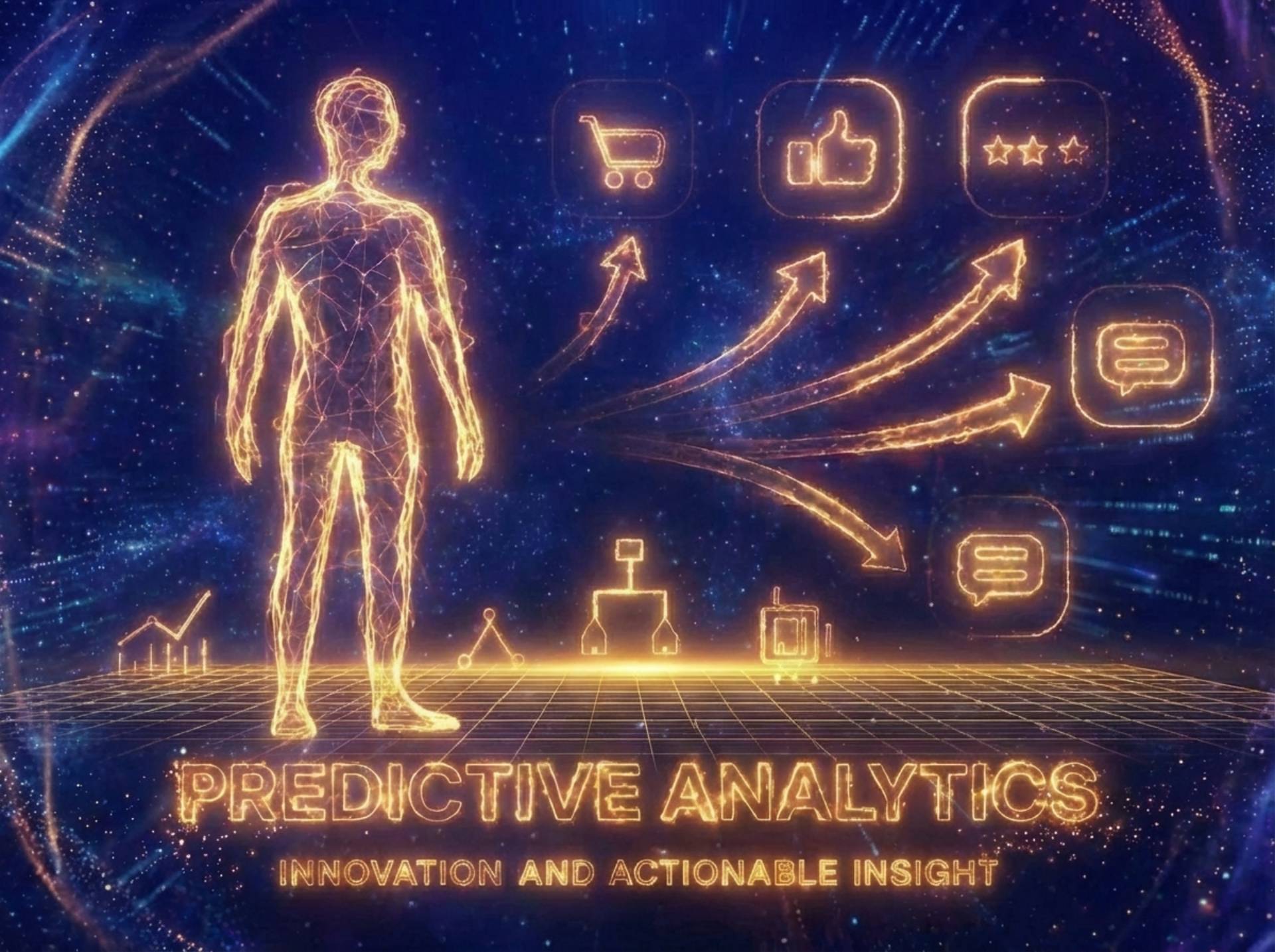 AI’s evolution, from basic data analysis to sophisticated modeling, enables companies to move from guesswork to precise customer-centric strategies.
Machine Learning and Predictive Models
Machine learning is the heart of AI-powered prediction. Different types of models analyze and interpret data for actionable insights:
- Supervised Learning: Trained with labeled data for tasks like classification and regression, ideal for predicting clear outcomes.
- Unsupervised Learning: Discovers hidden patterns and creates customer segments, yielding new ways to target and engage.
- Ensemble & Time-Series Models: Ensemble models combine multiple predictive algorithms (e.g., random forests, gradient boosting, stacking) to improve accuracy and robustness. Time-series models (e.g., ARIMA, Prophet, LSTMs) specialize in forecasting trends over time by learning temporal patterns in historical data.
Advanced Analytics and AI Tools
Predictive analytics tools integrate powerful AI mechanisms to turn past data into forecasts, informing smarter decisions and agile strategies. These tools translate complex information into clear, actionable business insights.
Sentiment Analysis Tools
Sentiment analysis interprets feedback and reviews to measure public perception. Analyzing online sentiment enables brands to adjust messaging, enhance products, and stay in tune with customer emotions for better engagement.
AI-Powered CRM Integration
Seamless CRM and AI integrations empower businesses to deliver the right message, at the right time, through real-time data-driven insights. This synergy transforms customer management, bolsters retention, and refines strategies.
For a comprehensive overview, see AI-powered market research and competitive insights.
Benefits of AI in Customer Prediction
In modern marketing, AI-driven prediction enables more precise targeting, personalization, and campaign optimization. AI delivers a distinct edge in predicting customer behavior:
- Enhanced Personalization: Hyper-personalized offers and recommendations can increase satisfaction and loyalty. For a deep dive, visit Creating Personalized Customer Journeys with AI.
- Improved Retention and Churn Prediction: By identifying churn risk, AI empowers businesses to proactively re-engage customers and boost loyalty.
- Optimized Marketing Campaigns: Predictive analytics directs efforts to where they’ll have the greatest impact; improving ROI, conversions, and responsiveness. Practical guidance can be found in Real-Time Marketing with AI.
Implementing AI for Effective Predictions
 Effective AI adoption starts with an assessment of your company’s technology readiness and strategic alignment.
Clean, consistent data is critical. Building sustainable AI involves upgrading data practices, continuously aligning predictions with business goals, and integrating AI insights across business operations.
A thoughtful, stepwise AI implementation turns insights into action, fostering more nimble and customer-focused organizations.
Overcoming Challenges in AI-Powered Customer Prediction
Implementing AI isn’t without hurdles:
- Data Quality and Consistency: Bad or incomplete data leads to unreliable predictions. Investing in data cleaning and consistency is crucial.
- Model Interpretability: Black-box AI models can erode trust. Focus on creating transparent, explainable models and involve stakeholders in validation for full buy-in.
- Human Oversight: Over-reliance on automation can lead to missed context. AI should augment, not replace, human judgment for blended, optimized decision-making. Read more at AI and Human Creativity in Marketing.
Future Trends and Innovations in AI Prediction
AI is entering an era of increasingly accurate, real-time prediction, driven by emerging technologies like generative AI and advanced personalization. These innovations will further streamline customer engagement, optimizing key customer touchpoints.
AI’s growing ability to combine data analysis with human insight elevates decision-making, creating immersive and highly effective customer experiences.
Conclusion
AI-driven customer prediction is transforming business strategy by delivering personalized experiences, increasing efficiency, and driving growth.
Businesses that embrace these tools are shifting from reacting to anticipating, staying a step ahead of customer needs and competitors. Systematic AI adoption builds a foundation for long-term success.
With strategic adoption and a focus on high-value insights, AI empowers your business to understand and engage with your customers like never before.