
How Local SEO Works: A Practical Guide for Small Businesses
Karl Marais | 19 December 2025
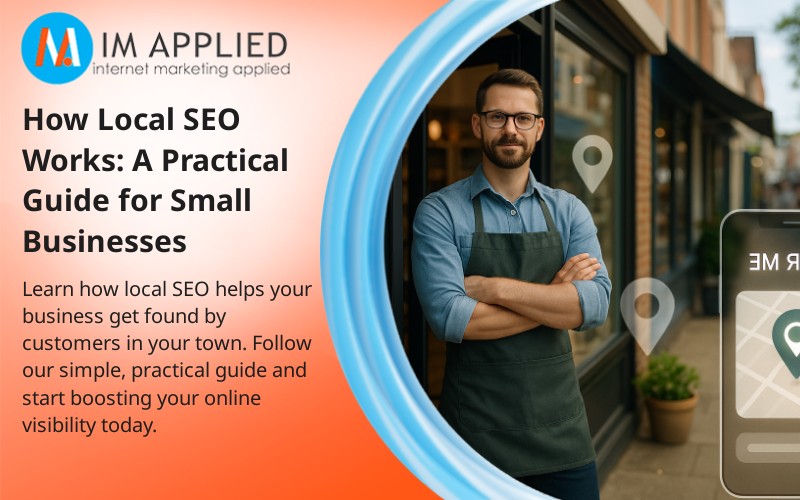
A local business is fundamentally different from a large national brand.
It relies on being discovered by people in its immediate area, not audiences well beyond its local market.
The digital space is crowded, and unfocused online activity rarely produces results. This is where SEO plays a critical role.
But SEO isn’t magic, and much of the advice can be misleading.
Instead, by following a simple system, you can make sure your business stands out when local customers search for your services.
Understanding Local SEO
Mastering local SEO is essential for small businesses competing in a digital marketplace.
Local search engine optimization targets your immediate community, making you discoverable to people nearby who are most likely to visit or contact you.
When someone types in “plumbers near me,” it’s local SEO that helps ensure your business appears on their screen.
Local SEO is about boosting visibility in your area and reaching customers with high purchase intent.
It goes beyond standard digital marketing by helping your business become a recognized, trusted name in your locality.
Definition and Importance for Small Businesses
Local SEO is the process of optimizing your online presence to appear in local search results on Google and other search engines.
It’s crucial for service businesses, brick-and-mortar stores, and anyone wanting more foot traffic in their area.
Prominent listings on Google Maps or the Local Pack build trust and credibility.
For service-based businesses, it targets those most likely to hire you.
Optimizing your Google Business Profile, producing local content, and gathering reviews can contribute to increased leads and revenue.
Key Differences Between Local SEO and General SEO
Both local and general SEO aim to increase online visibility, but the approaches vary.
Local SEO focuses on optimizing for location-based keywords and results, such as Google Maps, service areas, and “near me” searches.
General SEO is broader, targeting non-geographic keywords for national or worldwide audiences.
Understanding search intent helps you choose the right strategy.
Local SEO captures community engagement, while traditional SEO reaches beyond your region.
Setting Up Your Google Business Profile
First, claim and verify your business on Google. This simple step gives you control over your GBP.
Craft a clear, compelling business description highlighting what sets you apart.
Use GBP features like Google Posts to announce updates, events, or deals, and add high-quality photos to showcase your business.
Ensure your hours and contact information are always accurate. For those expanding into SEO services, this is a critical foundation.
Importance of NAP Consistency
Your Name, Address, and Phone number (NAP) must be identical across all digital platforms.
Inconsistent information confuses search engines and customers, which can hurt rankings and credibility.
Diligently review and update your listings across all channels, including directories and your own site.
Conflicting or inconsistent details can cause problems. Dedicated tools can help you manage this, reinforcing trust with search engines and customers.
Optimizing Your Business Categories and Services
Set your primary category to match your main product or service; this forms the backbone of local search relevance.
Add secondary categories and detail your services to capture more specific searches.
Use keywords potential customers will use, such as “plumbing contractor” or “HVAC repair.”
Relevant categories and accurate service listings strengthen your online identity and attract more qualified leads.
Building Your Local Presence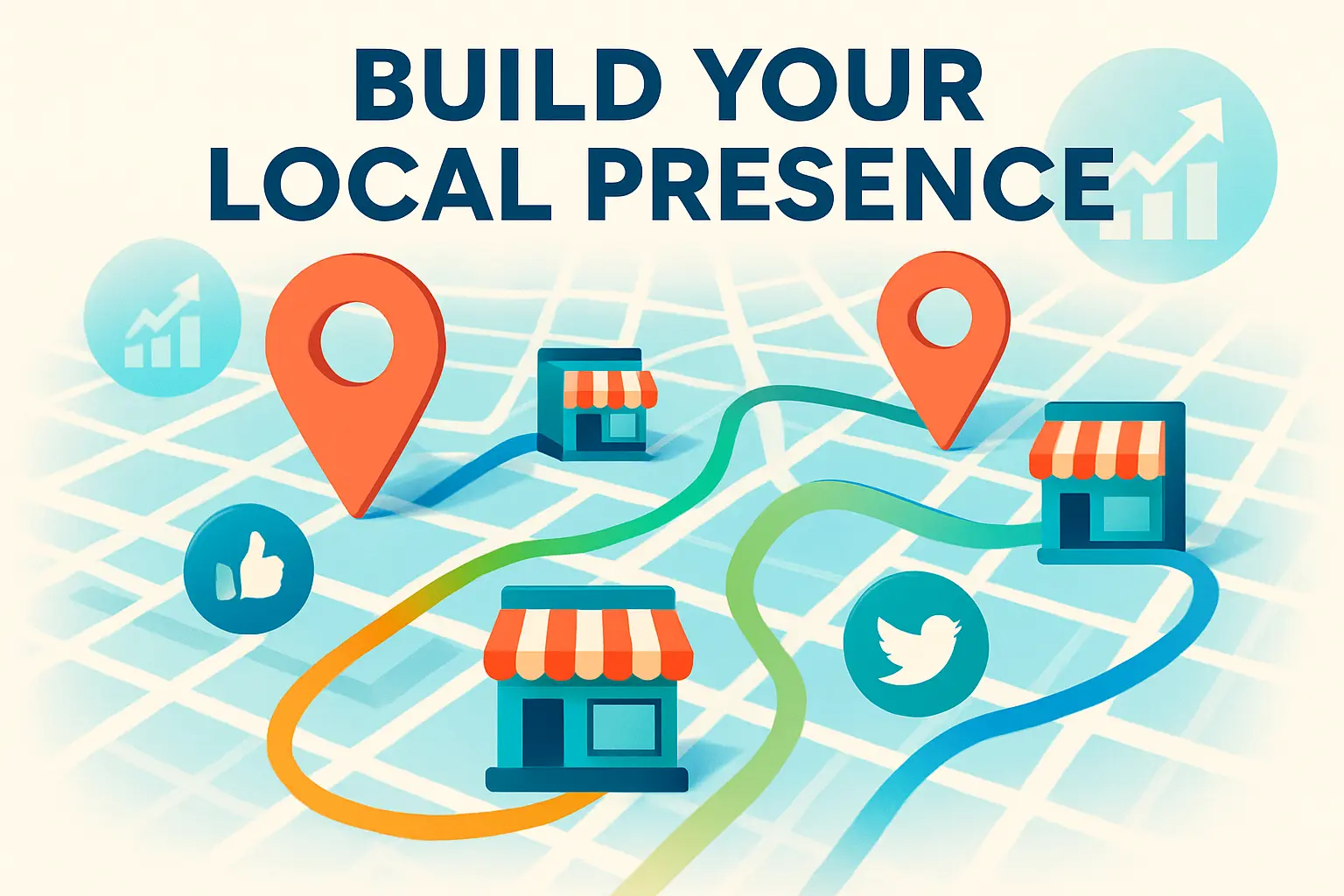
Building a strong local presence means being consistently visible where your community searches, interacts, and evaluates businesses.
Creating and Utilizing Location-Specific Landing Pages
If you serve multiple areas, create location-specific landing pages.
These should include unique content, service details, local identifiers (such as city names and ZIP codes), and embedded maps.
Regularly update these pages and incorporate relevant keywords for each area. You’ll improve your reach, stand out in search, and connect with hyper-local customers.
Local Keyword Research and Implementation
Local keyword research means finding what people in your area actually search for.
Tools like Ahrefs, Ubersuggest, and Google Autocomplete identify valuable local phrases.
Focus on long-tail keywords and “near me” terms to meet specific search intent.
Track competitors, adapt your strategy, and keep your keyword approach fresh as local trends evolve.
Leveraging Local Directories and Citations
List your business in trusted directories such as Yelp, Bing Places, and Yellow Pages.
Citations reinforce your legitimacy, improve rankings, and help new customers find you.
Check your listings for accuracy and consistency, and update them regularly. Explore niche directories in your industry to reach highly targeted audiences.
Enhancing Your On-site Local SEO
Your website’s technical health fuels your local search performance. Audit page speed and mobile-friendliness; search engines prefer fast, accessible sites.
Use optimized meta titles, meta descriptions, H1 and H2 tags, and relevant internal links.
Add location-focused content, such as store hours or “about us” sections for each branch, and descriptive image alt text.
Strategically, these details make your site easier to understand and boost both user experience and search rankings.
Mastering Online Reputation Management

Your online reviews shape your reputation. A strong review strategy builds trust, attracts new customers, and improves local search visibility.
Building a Robust Review Strategy
Ask satisfied customers for Google reviews; regular requests after a transaction are most effective.
Track your average star rating and growing review count, both important for SEO and credibility. Using review management tools can streamline the process.
Timely and Effective Responses to Reviews
Respond promptly to both positive and negative reviews.
Thank happy customers and address complaints professionally; your responses show that you value feedback and strive for improvement.
This engagement not only builds loyalty but also positively influences your public image and user trust.
Encouraging Positive Customer Feedback
Make it easy for customers to leave reviews.
Share direct links in follow-up emails, add QR codes to receipts or displays, and consider incentives, while staying compliant with platform guidelines.
Genuine, plentiful reviews serve as powerful social proof, helping you attract new business.
Locally Focused Link Building Strategies
Quality local backlinks are digital “votes” of trust. Prioritize relationships with other neighborhood businesses and local organizations.
Partnering with Local Businesses
Build partnerships with businesses offering complementary services.
Cross-promote each other online; these referrals expand your reach and generate mutually beneficial backlinks.
Engaging in Community Events and Sponsorships
Sponsor local events or participate in community initiatives.
Your business name will appear on event websites and social posts, generating valuable backlinks and raising your community profile.
Guest Blogging on Local Platforms
Write articles for local news sites or blogs. This demonstrates expertise, earns local backlinks, and connects you with potential customers.
Select platforms that resonate with your audience, and include a brief author bio linking back to your site.
Tracking and Analyzing Local SEO Efforts
Effective local SEO is guided by data. Regularly track your progress using tools like Google Analytics and Google Business Profile Insights.
Key Metrics to Monitor
Focus on local pack rankings, Google Maps positions, organic traffic, conversion rates, review count and quality, and engagement like phone calls or direction requests. These signal your local impact.
Tools for Analyzing Local SEO Success
Google Analytics and Search Console provide powerful insights.
Tools like BrightLocal and Moz Local help track rankings and manage your reputation.
Addressing Common Local SEO Challenges
Common pitfalls include inconsistent NAP data, keyword stuffing, or neglecting mobile optimization.
Stay alert to algorithm changes, as these can impact visibility. Avoid tactics like title “stuffing” in listings, which can lead to Google suspensions.
Consistency and ongoing adaptation are essential.
Creating a Sustainable Local SEO Plan
Local SEO is a marathon, not a sprint. Set clear goals and build your authority over time.
Key activities, maintaining your Google Profile, gathering reviews, and updating your site, should be ongoing habits, not one-offs.
Track performance and adjust your tactics; local SEO must evolve as trends and platforms change.
Developing an Actionable Strategy
Get started by building content that resonates with your community, creating accurate citations, and seeking local backlinks.
Each piece strengthens your authority and relevance.
Conclusion
Local SEO works when it’s treated as a system, not a one-time task.
It’s about making your business easy to find, easy to trust, and easy to choose when nearby customers are actively searching.
By keeping your listings accurate, your website locally relevant, and your reputation strong, you create consistent visibility where it matters most.
Over time, steady attention to these fundamentals builds credibility, improves performance, and positions your business as a reliable local option rather than just another listing in the results.