
The Best Content Engines for SMEs
applied | 14 August 2026
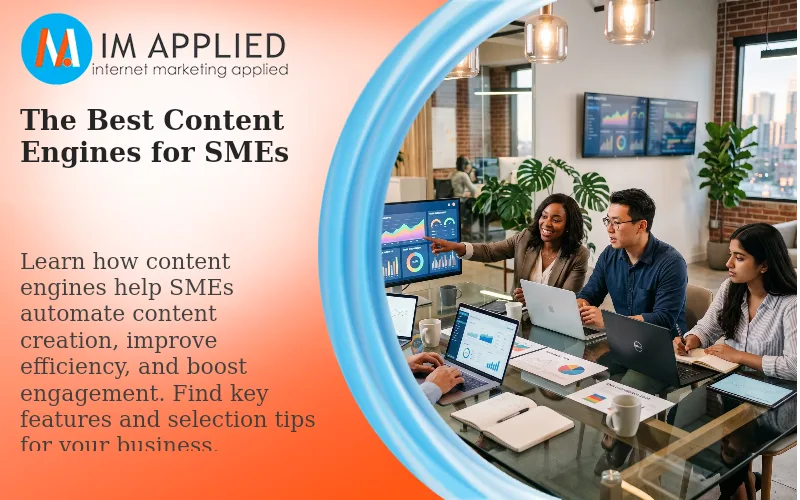
SMEs play a vital role in the economy, often operating with tight resources yet needing to keep up with ever-growing content demands. Creating high-quality, engaging content regularly can be challenging.
Content engines provide a practical solution for these businesses, offering processes that save both time and effort. Selecting the right content engine keeps businesses competitive while freeing attention for growth.
Understanding Content Engines
A content engine manages and automates content creation, optimization, distribution, and analysis. It supports consistency and efficiency, handling multiple aspects of content production with minimal manual intervention. Teams spend less time on routine tasks and more on strategy and creativity.
SMEs often face constraints regarding human resources and budget, making an efficient workflow crucial. Content engines provide automation and organization, enabling companies to maintain a dynamic online presence without exhausting their resources.
Using these tools helps SMEs achieve consistent branding, reach wider audiences, and improve customer engagement.
Features to Look for in a Content Engine
A user-friendly interface is crucial for SMEs. Intuitive platforms allow teams to quickly adapt and start producing content efficiently. Complex systems slow down productivity and require extensive training, which smaller teams can rarely afford.
Strong integration with existing tools and platforms is vital. A content engine should connect readily with CRM systems, social media, and email marketing tools. That connectivity cuts manual data transfers, reducing errors and saving time.
Automation is a key component. Features like automated scheduling, content curation, and AI-driven personalization help customize the content experience for different audience segments.
Personalization increases engagement rates by catering to the specific preferences and behaviors of individual users.
How to Choose the Right Content Engine for Your SME
Start by identifying your business goals and content strategy. Consider your target audience, the content types you produce, and the level of automation you need. Those factors narrow the field to platforms that genuinely fit your objectives.
Before fully committing, take advantage of trial periods offered by many content engines. Trials let you explore features and gauge whether the platform meets your specific needs.
Testing multiple options gives first-hand experience of the user interface and customer support, both of which matter when making a final call.
Conclusion
The right content engine shapes how effectively an SME reaches and engages its audience. Taking over repetitive tasks frees teams to focus on creative and strategic work.
By investing in a well-matched platform, SMEs build stronger brand identities and foster lasting customer relationships. Evaluate each option against your strategic goals before committing.