How SMEs Can Use Multi-Channel Funnels to Win Customers
applied | 30 July 2026
SMEs face unique challenges in attracting and retaining customers. With limited resources and stiff competition, these businesses must effectively manage their marketing strategies to drive results.
Multi-channel funnels offer a promising approach to reaching potential customers through various channels. By identifying customer touchpoints, tracking interactions, and refining marketing efforts, SMEs can grow their customer base and increase revenue.
Multi-channel funnels allow businesses to understand the paths customers take before making a purchase. This insight illuminates how different channels contribute to conversions.
By using this information, SMEs gain a clearer picture of their marketing performance and optimize their budgets accordingly. Multi-channel funnels enhance strategic decision-making and support customer acquisition strategies aligned with SMEs’ goals.
Understanding Multi-Channel Funnels
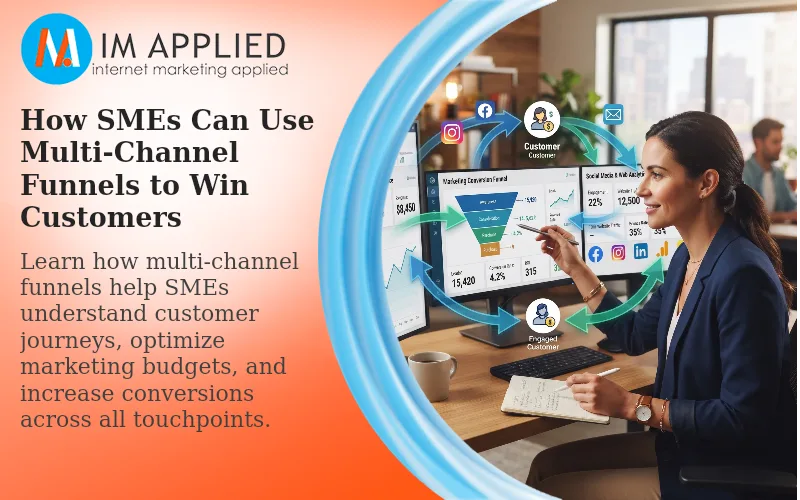
Multi-channel funnels illustrate how different marketing channels work together to drive conversions. They analyze customer interactions across channels such as social media, email, paid search, and organic search.
By mapping these interactions, businesses can identify the most effective communication pathways that lead customers to purchase decisions.
For SMEs, this means understanding the value of each channel in contributing to sales. Consider a customer who starts their journey by discovering your brand through a Facebook ad, then receives a promotional email, and finally makes a purchase after a search engine query.
Each touchpoint plays a role, and together they form a funnel that influences the buying journey.
Tracking Customer Journeys
Tools like Google Analytics make it straightforward to analyze these funnels. By setting up proper tracking, SMEs receive data on how various channels interact during consumer journeys.
This insight reveals which channels initiate interest, which nurture it, and which close the sale. With this knowledge, SMEs can allocate marketing resources more effectively.
Recognizing the contribution of each channel helps avoid premature judgments about a strategy’s effectiveness.
Not every click leads directly to a sale, but it may still play a crucial step in the decision process. Understanding this can prevent misallocation of budget and missed opportunities.
Benefits of Multi-Channel Funnels for SMEs
Multi-channel funnels provide clarity on marketing and sales efforts while allowing SMEs to allocate their resources wisely.
Improved Customer Insights
One of the primary benefits is improved tracking of customer behavior across channels. By analyzing these pathways, SMEs gain a deeper understanding of how their target audience interacts with their brand.
This insight helps refine marketing messages, tailor promotional strategies, and enhance customer experience.
Better Budget Allocation
Another significant advantage is budget optimization. SMEs often operate with limited marketing budgets, making resource allocation critical.
By understanding the effectiveness of each channel, businesses can invest in those that provide the best return on investment.
For instance, if paid search ads continuously lead to higher conversions than social media ads, shifting funds toward search marketing could yield better results.
Data-Driven Decision Making
Multi-channel funnels also encourage data-driven decision-making. Instead of relying on assumptions, SMEs can use concrete data to guide their strategies.
This approach removes the guesswork associated with traditional marketing methods, which often lack clarity on where efforts are paying off.
Clear visibility into which channels work best fosters a more coordinated approach to marketing campaigns, improving collaboration between teams.
For instance, the social media team and email marketing team can work together to maintain a cohesive strategy that strengthens customer touchpoints.
When SMEs understand their marketing dynamics better than their competitors, they can deliver more targeted, effective campaigns. That knowledge translates into higher customer satisfaction and, over time, increased market share.
Setting Up Multi-Channel Funnels for SMEs
The process of setting up multi-channel funnels begins with implementing proper tracking systems across channels. Customer interactions must be tracked before meaningful analysis is possible.
Establishing Tracking and Goals
Start by using tools like Google Analytics to monitor and track customer interactions. Set specific goals to measure key actions such as newsletter sign-ups, product views, and completed purchases. Configuring these metrics allows SMEs to track user actions throughout their journey.
Tagging Marketing Campaigns
After establishing tracking, tag each marketing effort accordingly. Use UTM parameters to tag URLs shared in emails, ads, and social media posts. These tags help differentiate between distinct marketing campaigns and channels, providing more detailed reporting.
Reviewing Funnel Performance
Regularly review and analyze funnel reports. These reports show conversion paths and highlight any drop-off points where potential customers leave the process. Identifying these points provides insight into friction points that need optimization.
Segment your audience during this analysis as well. Different customer segments may follow unique journeys through your marketing funnel. Identifying these patterns helps tailor messaging and offers to specific customer needs.
Aligning Teams and Strategies
The marketing, sales, and customer service teams should also align on goals and insights derived from the funnel data. When all departments work from the same information, it becomes clearer which strategies are working and which are not.
Consumer behavior and market conditions change, so routinely revisiting and adjusting funnel strategies is crucial. Continuous improvement keeps funnels efficient and effective, giving the business the best chance of winning customers.
Enhancing Customer Engagement with Multi-Channel Funnels
Engaging customers effectively is crucial for SMEs aiming to grow. Multi-channel funnels offer a nuanced view of how engagement across various channels impacts customer journeys, giving businesses the information they need to act precisely.
Personalizing Content
Start by personalizing content based on the insights from your funnel analysis. When SMEs understand which channels their customers use most, they can craft specific content that speaks directly to their interests.
Personalized emails, engaging social media outreach, and focused ad campaigns reach customers more meaningfully.
Using Customer Feedback
Customer feedback gathered through these channels adds another layer of understanding. Encourage customers to provide feedback after interactions, whether through a post-purchase survey or an engagement poll on social media. This feedback reveals what customers value and where improvements are needed.
Maintaining Consistent Messaging
Consistent messaging across all channels reinforces brand identity and reduces confusion during customer interactions. When customers recognize familiar messaging, it builds trust and encourages further engagement.
Use storytelling to connect emotionally with your audience. Sharing customer success stories or creative narratives involving your products humanizes the brand. Storytelling transforms a marketing message into an experience worth engaging.
Interactive Content and Automation
Interactive content, such as polls, quizzes, and contests, can further boost engagement. This type of content entices customers to participate actively, making interaction feel rewarding.
Integrate automation to maintain your engagement practices without straining team resources. Use tools that automate emails based on customer actions or trigger reminders for follow-up offers.
When potential customers receive timely, relevant contact, they stay warm without your team having to manage every touchpoint manually.
Measuring Success with Multi-Channel Funnels
Measuring success is critical in determining whether your multi-channel funnel approach is achieving its objectives. Start by setting clear, measurable goals aligned with the business’s overall objectives.
Evaluating Channel Performance
Use the data collected through funnel tracking to evaluate the performance of individual channels and campaigns. Metrics such as cost per acquisition, conversion rates, and return on ad spend help assess how well the channels contribute to customer acquisition.
Analyze conversion paths closely, as these provide insights into the typical journey a customer takes before purchasing. With this knowledge, businesses can refine strategies to address obstacles encountered along the way.
Measuring Long-Term Customer Value
Customer lifetime value (CLV) is another essential metric to track. Rather than focusing solely on initial conversions, understanding the long-term value a customer brings gives a broader picture of marketing effectiveness.
Testing and Refining Campaigns
A/B testing plays a vital role in measuring multi-channel funnel success. By running tests on elements such as email subject lines and ad creatives, SMEs can determine which variations perform best over time. Fine-tuning based on those results keeps strategies aligned with actual customer preferences.
Qualitative data such as customer feedback and reviews adds context beyond numerical data, revealing areas that exceed customer expectations or require refinement.
Conclusion
Multi-channel funnels give SMEs a clearer picture of how different channels contribute to growth.
Businesses that commit to tracking actionable metrics, acting on what the data reveals, and adjusting strategies as conditions change will attract and retain customers far more reliably than those still relying on guesswork.