AI Journey Mapping to Improve Customer Experience
Karl Marais | 10 February 2026
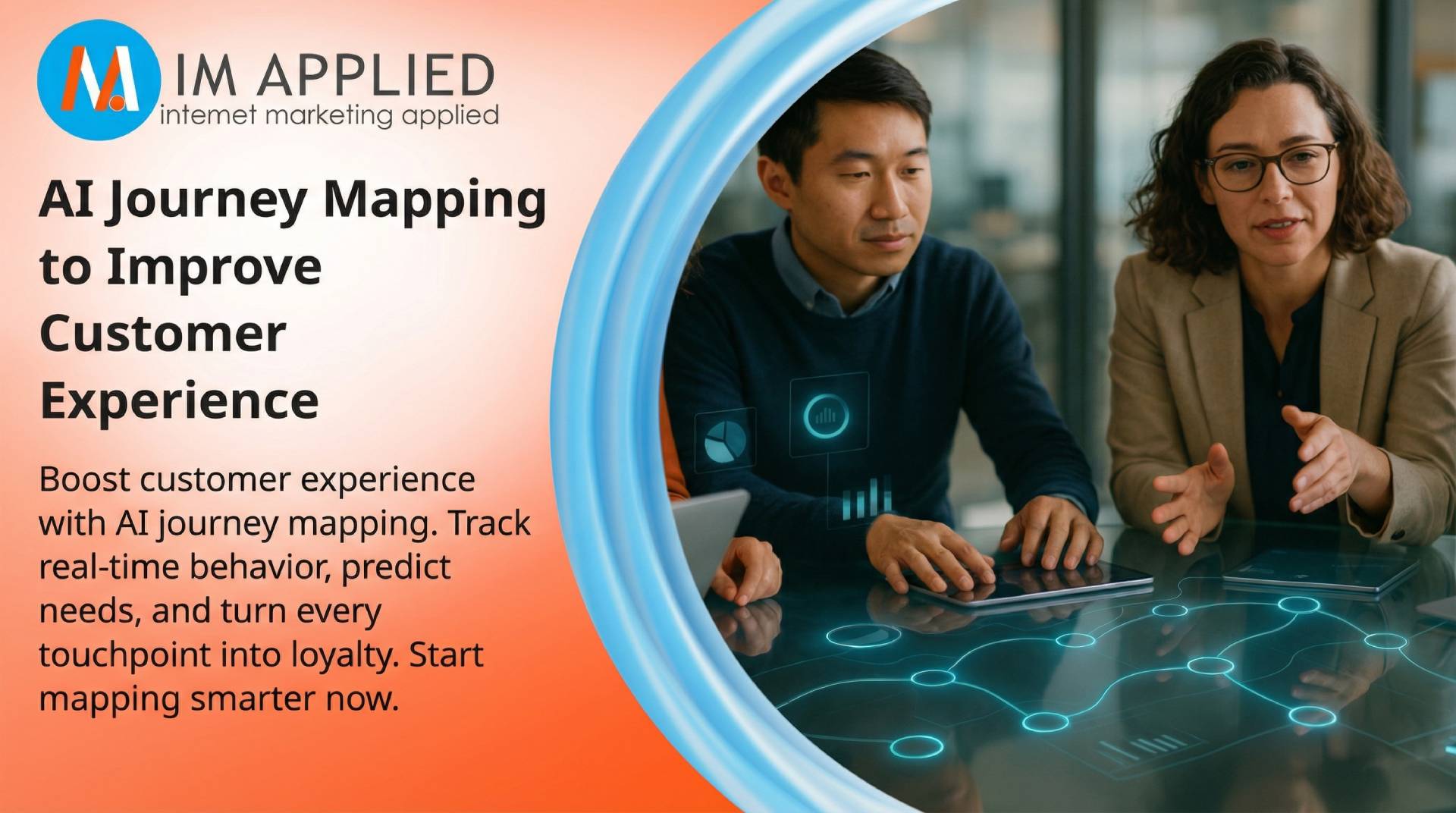
Customer experience is central to how businesses compete today. Expectations are soaring, and attention spans are shrinking. Traditional customer journey maps just can’t keep up.
But what if you could see your customer’s path and predict their next move? AI-powered customer journey mapping not only visualizes the past but also predicts the future, turning every interaction into a chance to build stronger relationships.
Understanding AI in Customer Journey Mapping
Artificial intelligence is revolutionizing customer journey mapping. Instead of relying on static representations, businesses can now leverage AI-powered tools to create living documents that can constantly evolve.
Traditional methods quickly become outdated, but AI enables maps that continuously adapt to reflect each customer’s ever-changing journey.
By integrating machine learning and predictive analytics, companies gain a far more data-driven understanding of customer behaviors.
These evolving insights help organizations to predict likely needs, personalize experiences, and proactively address issues, strengthening every relationship with each interaction.
With AI, customer journey mapping digs deeper. It detects patterns and anomalies in the data, signaling shifts in expectations or satisfaction. As a result, businesses can shift from reactive to proactive, supported by robust, prescriptive strategies that drive better customer satisfaction.
What is AI-Powered Customer Journey Mapping?
AI-powered customer journey mapping decodes customer interactions across touchpoints.
Using advanced algorithms, AI analyzes data at scale, uncovering patterns and predicting behaviors that human analysis would likely miss. This collection makes the journey a dynamic ecosystem rather than a linear route.
This continual insight means companies can quickly make strategic decisions that improve each customer’s experience. As the customer journey map is updated, issues can be resolved swiftly, and engagement improved.
For more on leveraging AI to understand customers, see our guide on using AI to predict customer behavior.
The Role of AI in Enhancing Customer Experience
AI enhances the customer experience by processing large volumes of data and delivering tailored recommendations. With a continuously up-to-date picture of the customer journey, businesses can evolve with each interaction, predicting needs and making real-time strategy adjustments.
Through deep insight into customer trends and behaviors, companies can be proactive, earning greater loyalty and improving brand perception. Continuous evolution becomes the norm, helping customers feel understood and valued.
Improving Customer Experience Through AI
Capturing attention is half the battle. AI redefines customer experience improvement by enabling hyper-personalization, turning multiple touchpoints into moments of relevance. With predictive insights, businesses detect issues before they escalate and support a more consistent omnichannel experience.
AI’s sentiment analysis unlocks a deeper understanding of customers’ preferences and feelings. This means fewer obstacles and a stronger brand story told across every channel.
Curious about tailoring AI-driven journeys? Explore creating personalized customer journeys with AI.
Real-Time Journey Visualization
Real-time AI-powered visualization lets businesses maintain an up-to-date view of customer engagement. By dynamically highlighting pivotal moments, companies can quickly spot and respond to evolving needs by personalizing experiences and driving satisfaction at every touchpoint.
Predictive Customer Insights
AI estimates likely intent based on customer behavior. Through predictive analytics, businesses identify high-intent visitors, segment audiences, and identify risks before they escalate.
AI-driven models assess potential churn and segment users, powering timely, personalized retention strategies. For more practical tips, see using AI to predict customer behavior and actions.
Hyper-Personalization at Scale
AI enables hyper-personalization at scale, transforming customer engagement. Large datasets enable individualized experiences, delivering real-time, value-driven recommendations before customers even realize their needs. This fosters loyalty and consistent engagement.
Enhanced Sentiment Analysis
AI-powered sentiment analysis offers a granular view of how customers feel, alerting you to possible shifts before they impact the brand. By examining feedback and qualitative data, businesses adapt their messaging and strategies to increase satisfaction, aligning responses with customers’ actual emotions.
Omnichannel Experience Integration
AI supports a more consistent experience across channels. Omnichannel orchestration, powered by AI, can transform fragmented engagements into cohesive brand stories, whether customers interact via email, social media, or in person.
Explore AI-driven omnichannel marketing automation to learn more about connected experiences.
Implementing AI in Customer Journey Mapping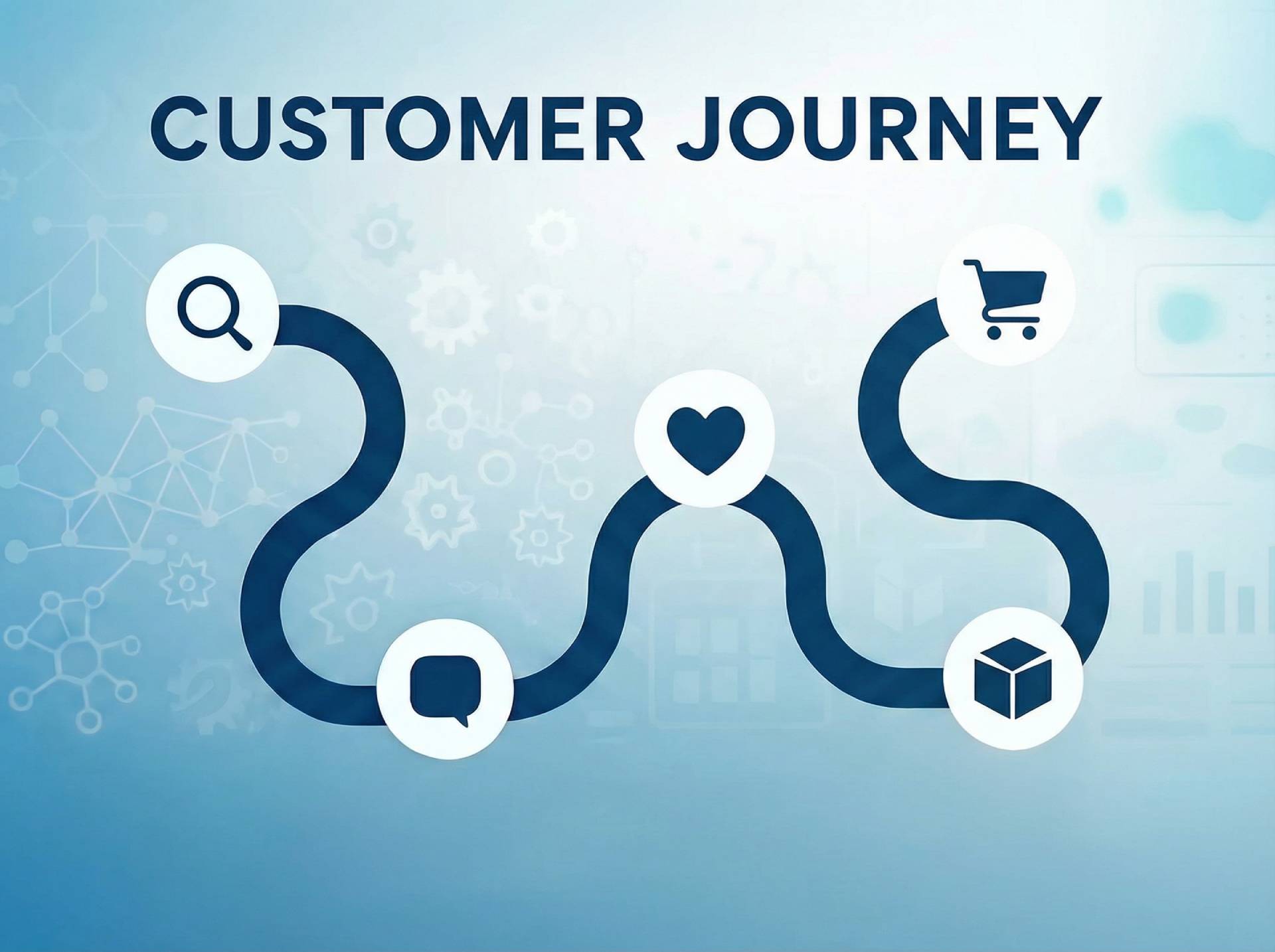
Integrating AI into journey mapping is transformative. By harnessing deep data analysis and continuous optimization, businesses gain a customer-centric edge.
- Set Clear Goals: Define measurable, strategic objectives tied to outcomes like reducing churn or increasing conversions to anchor your AI efforts.
- Consolidate Customer Data: Use a Customer Data Platform (CDP) to centralize behavioral and qualitative data for a comprehensive view.
- Leverage Pattern Recognition: Employ AI to spot themes, highlight drop-off points, and direct focus to where it matters most.
- Visualize Data Insights: Use journey map templates as a visual canvas to make patterns easier to see and align teams.
- Strategize with AI Insights: Use journey orchestration engines and trigger-based actions to deliver the right offers or solutions at the right time.
- Continuous Improvement: Treat the journey map as a living document. Ongoing A/B testing and iteration keep strategies fresh and aligned with customer evolution.
Challenges and Considerations
AI journey mapping is powerful but comes with challenges:
- Data Privacy & Ethics: Companies must secure customer data and mitigate algorithmic bias, ensuring ethical use and robust data governance.
- Recognize AI Limitations: AI can reflect human bias or provide incomplete insights. Even data scientists encounter buggy tools, so always pair AI findings with human judgment.
- Strategic Alignment: Make sure AI initiatives support core business goals and are regularly assessed to avoid wasted investment.
Future Trends in AI for Customer Experience
Staying ahead in customer experience requires anticipating advances in AI. Generative AI now creates personalized interactions, with feedback loops from the Voice of the Customer (VoC) informing smarter AI strategies.
A holistic approach that integrates VoC, generative AI, and continuous iteration elevates customer journeys and enables rapid adaptation.
AI-Driven Innovations
AI leaders are adopting technologies like generative AI to deliver next-level personalization and predictive customer service. These advancements are shaping future customer journeys, transforming how brands anticipate and respond to needs.
Role of Voice of Customer (VoC)
Meaningful AI strategies start with understanding VoC, going beyond surveys to capture feedback from multiple channels. Integrating this feedback helps ensure AI efforts address real customer needs and drive strategic improvements.
Preparing for the Future
Start with pilot projects, assess AI’s effectiveness, and iterate. Being proactive positions businesses for success and unlocks new personalized possibilities.
Frequently Asked Questions (FAQs)
How Does AI Transform Customer Journeys?
AI deciphers complex patterns and pinpoints friction points, enabling tailored experiences. By predicting intent, it supports timely, automated solutions that delight customers and drive loyalty.
What Tools Are Essential for AI Journey Mapping?
Key tools include analytics platforms, collaborative workspaces, a CDP, and a journey orchestration engine for real-time, data-driven optimization.
How Can Businesses Start Using AI?
Begin with a pilot, clarify goals, centralize data, and select the right tools. Training teams helps to create smooth adoption and lays the foundation for long-term success.
Conclusion and Next Steps
AI empowers businesses to personalize at scale, help anticipate needs, and remain agile. Adopting AI is a strategic move that lets companies exceed rising customer expectations and foster stronger loyalty.
Ready to take the next step? Begin exploring AI solutions or consider a demo. Embrace AI as an ally to help optimize key journeys and strengthen your position as customer expectations evolve.