Optimizing Your Social Media Posting Times With AI
Karl Marais | 10 December 2025
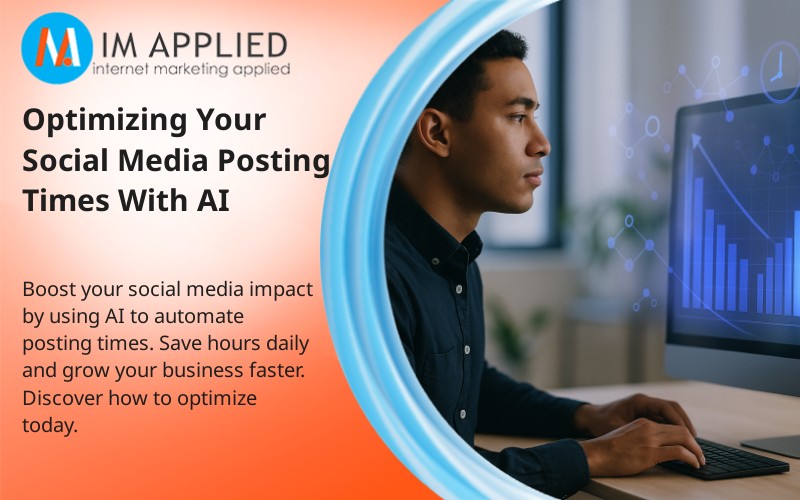
Planning social media content can consume hours every day, writing captions, scheduling posts, and tracking performance.
AI now enables automated social media scheduling, boosting your content’s impact while freeing you to focus on growing your business.
Leveraging AI for Social Media Timing Optimization
AI is transforming how brands engage online.
With AI-driven tools, companies can achieve social media timing optimization by analyzing user data to determine when audiences are most engaged.
Instead of relying on manual scheduling, businesses can refine their strategies by leveraging data-driven insights to identify peak activity periods.
Integrating AI streamlines operations and cuts through online noise, strengthening the bond between brands and audiences.
By targeting posts to match audience patterns, brands boost both visibility and engagement.
Introduction to AI in Social Media
AI’s emergence in social media has reshaped business presence on these platforms.
Social media AI tools now automate repetitive tasks like scheduling, posting, and monitoring. This shift lets brands reallocate time toward strategy and growth.
AI’s analytics assess content performance and audience behavior, providing actionable insights that support meaningful engagement.
Automation enhances efficiency while fostering more impactful campaigns.
The Role of AI in Predictive Analytics
AI’s influence in predictive analytics unlocks future trends and anticipated shifts in user engagement.
Predictive analytics can surface emerging engagement patterns early, giving marketers signals to adjust before trends fully develop.
By detecting early signs of change, AI empowers marketers to act on emerging patterns and keep content relevant.
Harnessing predictive analytics sharpens the competitive edge and drives strategies based on real consumer behavior, improving campaign effectiveness.
Core Elements of AI-driven Social Media Strategies
Successful AI-driven strategies blend content planning, competitive intelligence, and platform management.
AI interprets performance data for sharper marketing decisions, enabling efficient, targeted campaigns.
Competitive intelligence powered by AI helps brands analyze market trends and audience preferences and adapt in real time.
With these tools, teams can focus more on creative and strategic initiatives, like leveraging social media for SEO, and less on administrative overhead.
AI Analytics and Listening Tools
AI analytics and social listening uncover deep insights into audience sentiment and competitor activity.
Using these tools, companies benchmark performance, monitor brand health, and identify top-performing content.
With AI-powered social media analytics, marketers react quickly and make smarter, data-driven decisions, reducing time from insight to action.
Automating Social Media Planning with AI
Many AI-powered scheduling tools can generate or assist with content calendars while optimizing post timing.
With features such as bulk and batch scheduling, brands can maintain regular engagement and reduce the stress of real-time posting.
Automation frees up creative resources and strengthens overall strategy.
Enhancing Content Creation with AI Tools
AI content tools expedite the creation of visuals and copy, ensuring brand consistency and relevance.
AI copywriting produces engaging captions and hashtags, while AI image/video generation broadens creative options.
These tools reduce manual workload and expand what’s possible in digital storytelling.
Determining Optimal Posting Times Using AI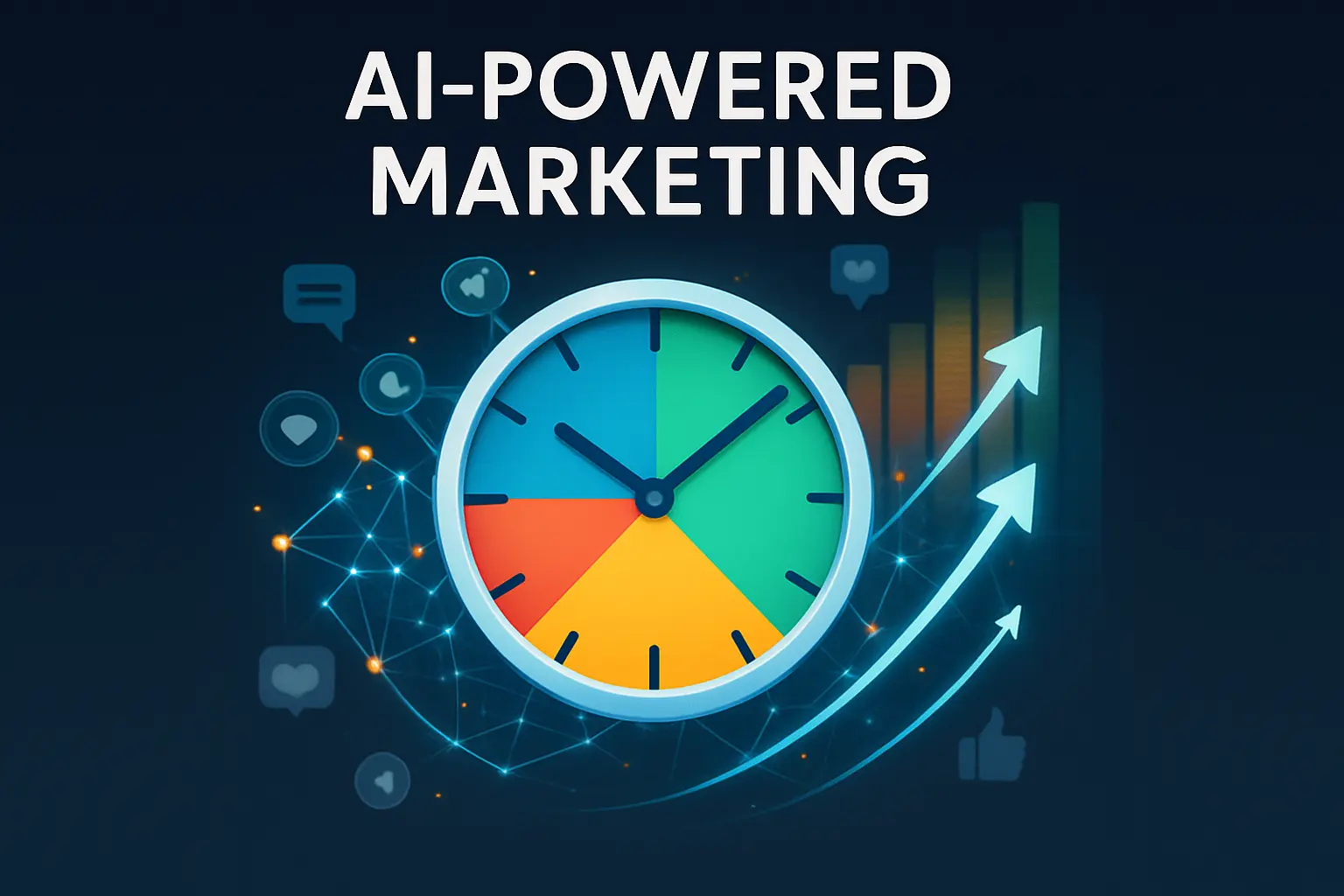
To maximize reach and engagement, AI suggests the best times to post by analyzing massive datasets and audience activity.
This replaces guesswork with proven strategies, letting marketers post during peak engagement periods for greater visibility and interaction.
Analyzing Engagement Patterns
AI dissects when posts receive the most likes, comments, and shares, creating data-driven recommendations for content delivery.
This predictive approach maximizes ROI and facilitates ongoing strategy improvement.
Blending engagement analysis with influencer marketing can further enhance results. Learn more in this guide.
Customizing Times Based on Audience Behavior
Some AI can customize posting schedules based on audience routines, location, and habits.
Understanding when your audience is most receptive allows you to deliver content that fits naturally into their day.
Deep personal insights create highly effective, targeted strategies. See more on AI-powered personalization in this article.
Adjusting for Time Zones and Demographics
AI navigates the complexities of time zones and audience demographics.
By scheduling content to hit various user segments at just the right moment, brands ensure consistent reach.
Demographic targeting, by geography, age, and time zones, maximizes engagement and supports a global SEO strategy.
Platform-specific Posting Times: The AI Approach
Each social media platform has unique user rhythms.
AI tailors strategies by analyzing network-specific engagement data to recommend posting times on Facebook, Instagram, LinkedIn, TikTok, YouTube, and Twitter.
This enhances cross-platform consistency and relevance.
- Facebook: AI finds high-engagement weekdays and workday hours
- Instagram: Best times align with visual appeal and Reels, matched to peak user activity.
- LinkedIn: B2B scheduling focuses on business hours, leveraging professional engagement.
- TikTok: Evening trends dominate for younger audiences; AI pinpoints viral windows.
- YouTube: Posting aligns with user viewing patterns for longer-form video.
- Twitter (X): Real-time engagement thrives on timely, news-driven posts.
Going Beyond Traditional Posting Strategies

Conventional posting often relies on static schedules or industry averages.
In contrast, AI-driven timing strategies personalize post delivery, aligning it to individual audience behaviors for maximal impact.
Data-driven approaches ensure every post directly contributes to your goals.
Real-time Adjustments with AI
The social landscape moves fast. AI supports real-time scheduling, enabling instant adaptation to trending events, algorithm updates, or unexpected opportunities.
This agility keeps your content relevant and boosts engagement.
Real-time adjustments depend on each platform’s API capabilities, as some networks offer full scheduling flexibility while others limit automated changes.
A/B Testing and Its Relevance
A/B testing allows experimentation with different times, formats, or messages.
AI rapidly analyzes outcomes, refining scheduling and content strategies based on hard data.
This process leads to continually higher engagement and content effectiveness
Evaluating the Impact of AI Tools
By adopting AI, brands gain insights into which posts and times drive the most reach and engagement.
These clear metrics allow ongoing optimization, driving noticeable improvements in visibility, engagement, and overall ROI.
Addressing Challenges in AI Social Media Timing
While AI offers immense advantages, challenges remain, particularly around platform algorithm changes and data privacy.
Understanding Algorithm Changes
Platforms frequently alter their algorithms, impacting post reach.
Companies should ensure their AI tools remain agile, adapting strategies swiftly to maintain visibility.
Managing AI Data Privacy Concerns
Safeguarding social media data is non-negotiable. AI tools should align with privacy regulations, ensuring ethical use of data while respecting user trust.
Addressing these issues upfront strengthens your brand’s reputation.
Balancing Automation with Authentic Engagement
Automation boosts efficiency, but genuine engagement still matters.
Maintain your brand voice and foster lasting relationships, use AI for efficiency, but keep content creation and interaction authentic.
Practical Steps to Implement AI in Your Social Media Strategy
Getting started with AI requires identifying which processes, such as scheduling or content creation, will benefit most.
Build a plan aligning AI tools with your business goals. Integration brings improved efficiency, content performance, and creativity.
Selecting the Right AI Tools
Choose AI tools based on features, integration ability, and ease of use.
Test platforms via free trials before committing, focusing on those that enhance, not disrupt, your existing workflow.
Integrating AI into Existing Workflows
AI streamlines scheduling, content management, and batch processing.
For best results, integrate AI tools with your collaboration systems to ensure your team works efficiently and strategically.
Continuous Monitoring and Optimization
Regularly analyze performance data and let AI suggest refinements.
Real-time feedback allows ongoing adaptation, helping you stay ahead of audience shifts and market trends.
Conclusion: AI and the Future of Social Media Timing
AI is redefining social media management.
By optimizing timing, analyzing engagement, and personalizing strategies, AI delivers a sustainable edge in a crowded digital space, allowing for to deeper audience connection and improved ROI.
Embrace AI not just for operational gains, but to transform how you engage, create, and innovate on social platforms.
For those ready to adapt, the future of social media is bright, data-driven, and more engaging than ever.
Embracing the Future of Social Media Management
AI-powered insights equip brands to pivot rapidly, tailor content, and sustain authentic engagement.
As technology evolves, the most successful brands will be those leveraging AI to stay ahead, balancing efficiency with human connection in a fast-changing landscape.
Ready for your next step? Discover the strategic benefits of AI in omnichannel marketing.