The 2026 Multi-Channel Marketing Guide for SMEs
Karl Marais | 12 February 2026
Brands relying on just one marketing channel are leaving growth on the table. With 2026 already in motion, SMEs need a marketing approach as dynamic as their customers.
However, with multi-channel marketing, you can’t post everywhere aimlessly. You need to use precision and strategy to craft a coherent brand experience that actually converts.
You need to be deliberate and effective in reaching your audience. Here’s how you can make multi-channel marketing work for your business.
Understanding Multi-Channel Marketing for SMEs
Understanding multi-channel marketing is essential for SMEs looking to expand reach and drive consistent growth.
By engaging customers across multiple platforms, businesses can create more touchpoints, strengthen brand recognition, and increase conversion opportunities.
What is Multi-Channel Marketing?
Multi-channel marketing means connecting with customers across several touchpoints such as email, social media, websites, and even physical stores, so every interaction is valuable.
Rather than scattering resources, SMEs create a seamless customer journey and reinforce brand visibility.
Omnichannel marketing focuses on integrated experiences, while multi-channel is about maximizing your presence where it matters.
In today’s fragmented media world, understanding these differences helps SMEs engage effectively and drive better returns. In practice, this means being present wherever your audience spends time.
Benefits for Small and Medium Enterprises
Multi-channel marketing offers significant advantages for SMEs, particularly in expanding customer reach. More platforms mean more ways to engage and convert by meeting your audience where they already are.
Collecting customer insights from various channels refines your messaging, improves ROI, and builds brand trust.
Being present across multiple channels also sets your business apart from single-channel competitors, providing measurable outcomes and helping solidify your market position. This diversified approach is increasingly vital for long-term small business success.
Challenges Faced by SMEs
Despite its benefits, multi-channel marketing isn’t without hurdles. Budget limitations can stretch resources thin, making it difficult to maintain consistent, high-quality messaging.
Fragmented data complicates the measurement of campaign impact and effectiveness, challenging SMEs to integrate and analyze information cohesively.
To overcome these issues, SMEs must invest in the right technologies and prioritize strategic planning. Managing data quality and measuring ROI requires ongoing attention.
Consolidate data for better decisions, maintain clear brand guidelines, and use marketing attribution for smart budget allocation.
Steps to Develop an Effective Strategy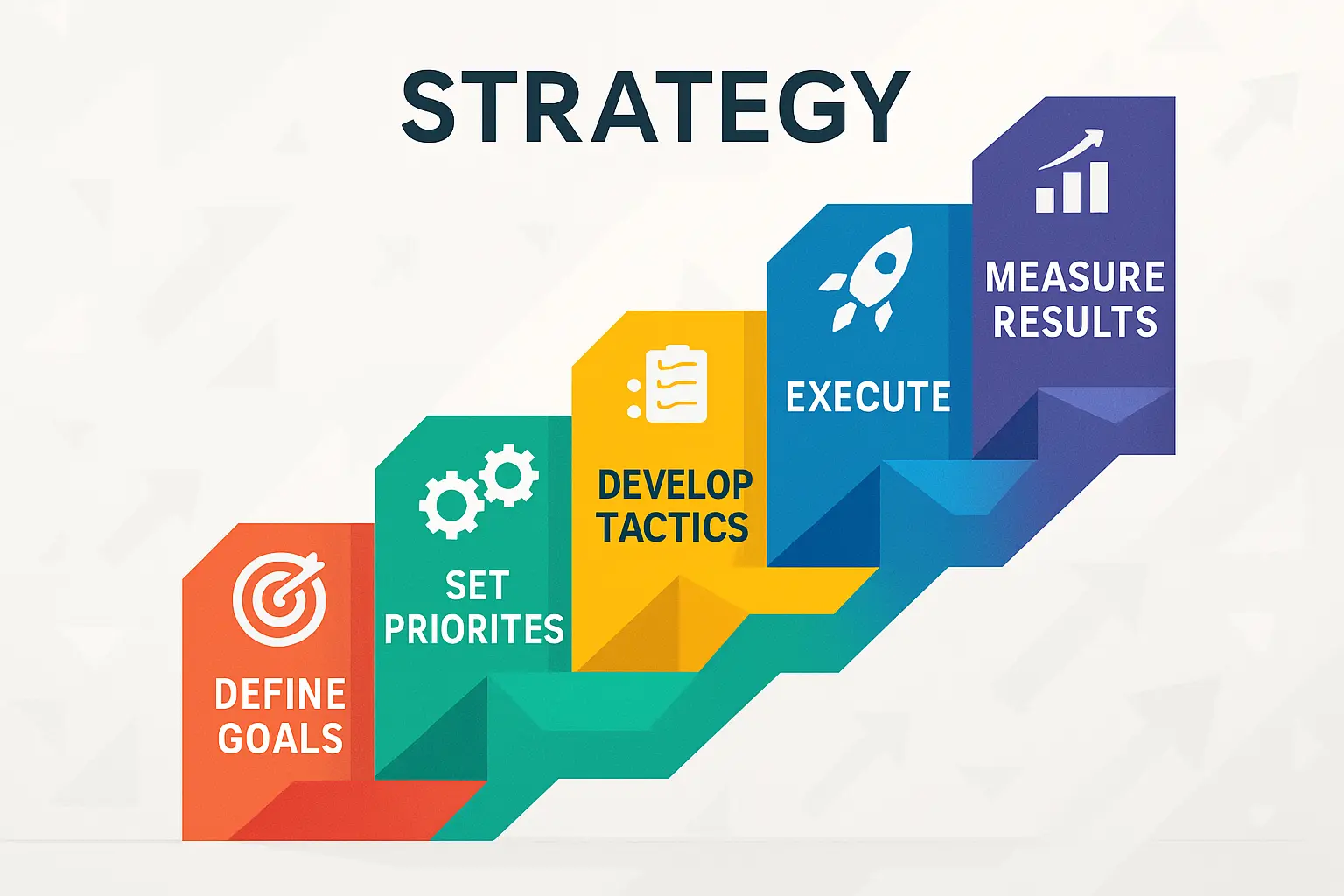
Crafting an impactful multi-channel marketing plan begins with clarity. Define your business objectives, whether it’s growth, awareness, or revenue.
Next, understand your audience’s preferences and map which platforms will be most effective.
A comprehensive plan then aligns resources, timelines, and channels to these objectives. The most effective strategies are dynamic, evolving as customer expectations shift.
Critical to success is ongoing measurement and adjustment based on analytics. Review and refine campaigns frequently to ensure your approach remains relevant and effective.
Gain more perspective with this analysis of digital marketing strategy vs. tactics.
Personalization and Customer Engagement
Modern SMEs leverage personalized marketing to cultivate genuine connections. By understanding customer preferences and behaviors, companies deliver tailored messaging, not generic blasts, across every channel.
Segmentation and one-on-one communication boost customer relationships and loyalty, elevating both engagement and retention.
Automation platforms further streamline the delivery of personalized experiences, making targeted content at scale a reality.
Techniques for Personalized Messaging
Building an effective personalized messaging strategy starts with detailed audience segmentation based on data such as purchase behavior, interests, and demographics. From there, use content that adapts in real-time, personalized offers, and retargeting ads to keep your messaging relevant and timely.
Regularly monitoring performance lets you refine and improve these campaigns. For more, read about AI in email marketing automation.
Engaging Customers Across Multiple Touchpoints
A seamless customer journey means consistently engaging people across all their favorite touchpoints. Customer journey mapping helps visualize these paths and ensures you provide meaningful value at every stage, from initial engagement to post-purchase.
Consistent messaging builds trust and encourages loyalty. Follow-ups, customer service, and retention programs reinforce positive experiences long after the sale.
Measuring Success and ROI
For SMEs, tracking campaign performance is essential. Marketing attribution clarifies which channels drive results, helping you allocate resources wisely.
Regular, data-driven analysis reveals what’s working and where to pivot. Strong reporting demonstrates ROI and guides future strategy.
Robust performance metrics provide insights into both current outcomes and future trends.
Future Trends in Multi-Channel Marketing for SMEs
To stay competitive, SMEs must anticipate and adapt to new marketing trends. The role of AI and automation is only expanding, enabling more precise targeting, personalization, and predictive analytics.
Immersive technologies like AR and VR are also creating new ways to engage audiences, while machine learning is making sense of increasingly complex customer data. Staying curious and flexible with these innovations ensures your marketing stays ahead.
For more on emerging trends, see strategies for maximizing visibility.
The Role of AI and Automation
AI-driven marketing automates routine work and powers smarter strategies. From advanced segmentation to predictive analytics, AI enables SMEs to act faster, target better, and optimize continuously. Automation frees your team to focus on strategic priorities, improving both efficiency and results.
Importance of Adaptability to New Platforms
Today’s landscape demands adaptability. Each new marketing platform offers fresh ways to reach and engage audiences. SMEs who embrace change, test new platforms, and learn quickly stay relevant as their customers’ habits evolve.
Flexibility in strategy lets you move with your audience, not behind them, setting your business apart.
Conclusion
Multi-channel marketing in 2026 is about customer-centric precision. Choose the channels that align with your goals and audience. Analyze, adapt, and improve constantly.
Success means using data smartly, staying consistent in your messaging, and refining your strategies for sustainable growth.
Best Practices for Sustainable Growth
Embrace a data-driven strategy with deep customer focus. Tailor your approach to each channel, maintain message consistency, and keep testing and optimizing. Transparency, adaptability, and continuous measurement empower SMEs to thrive.
By integrating these practices, your small business can turn multi-channel marketing into a real growth engine, helping your brand become unforgettable.